“I think everybody can be beautiful. Anybody can have beauty. It’s about how you look at the world, in a way, and how you treat yourself” — Elizabeth Peyton
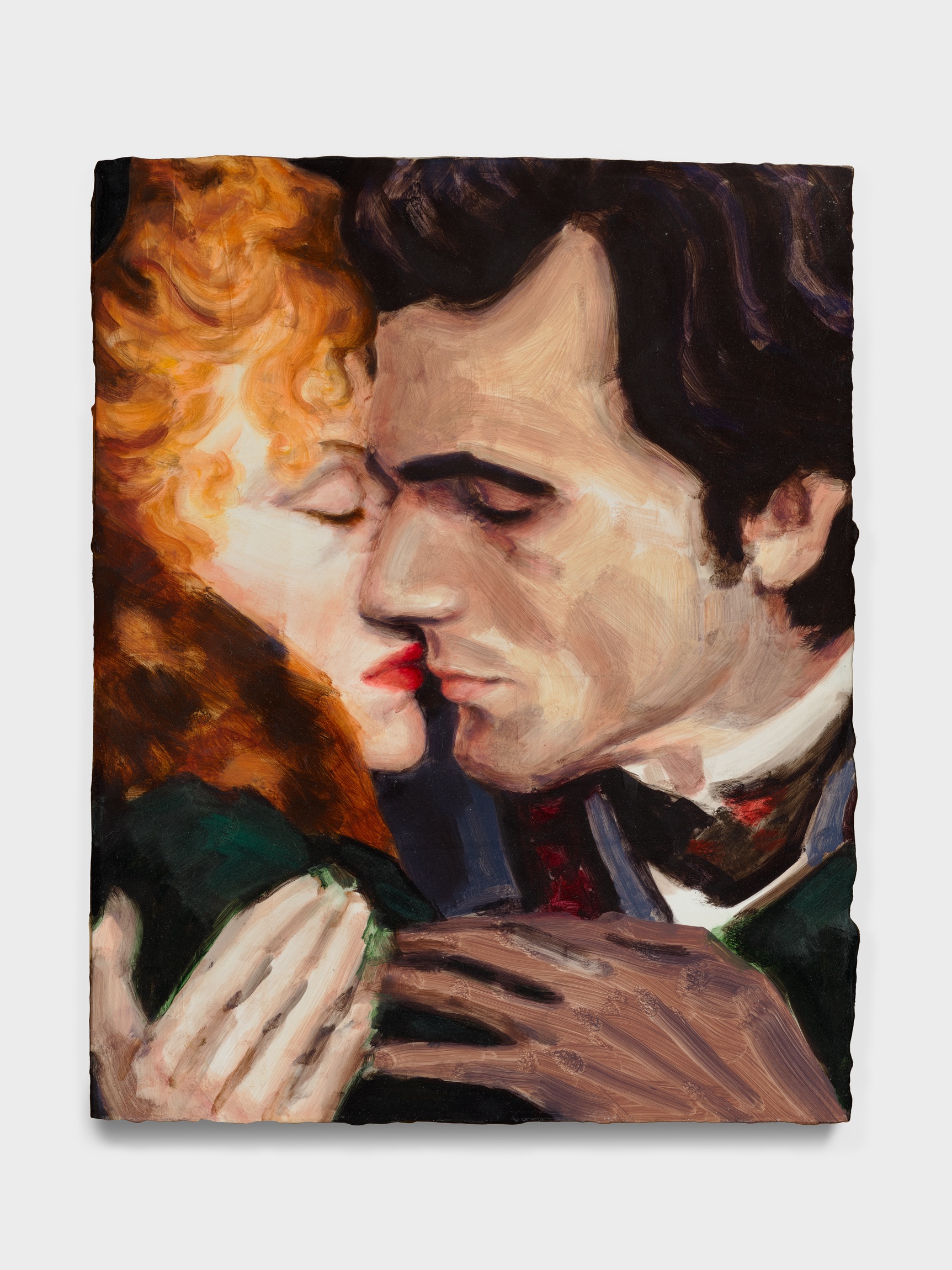
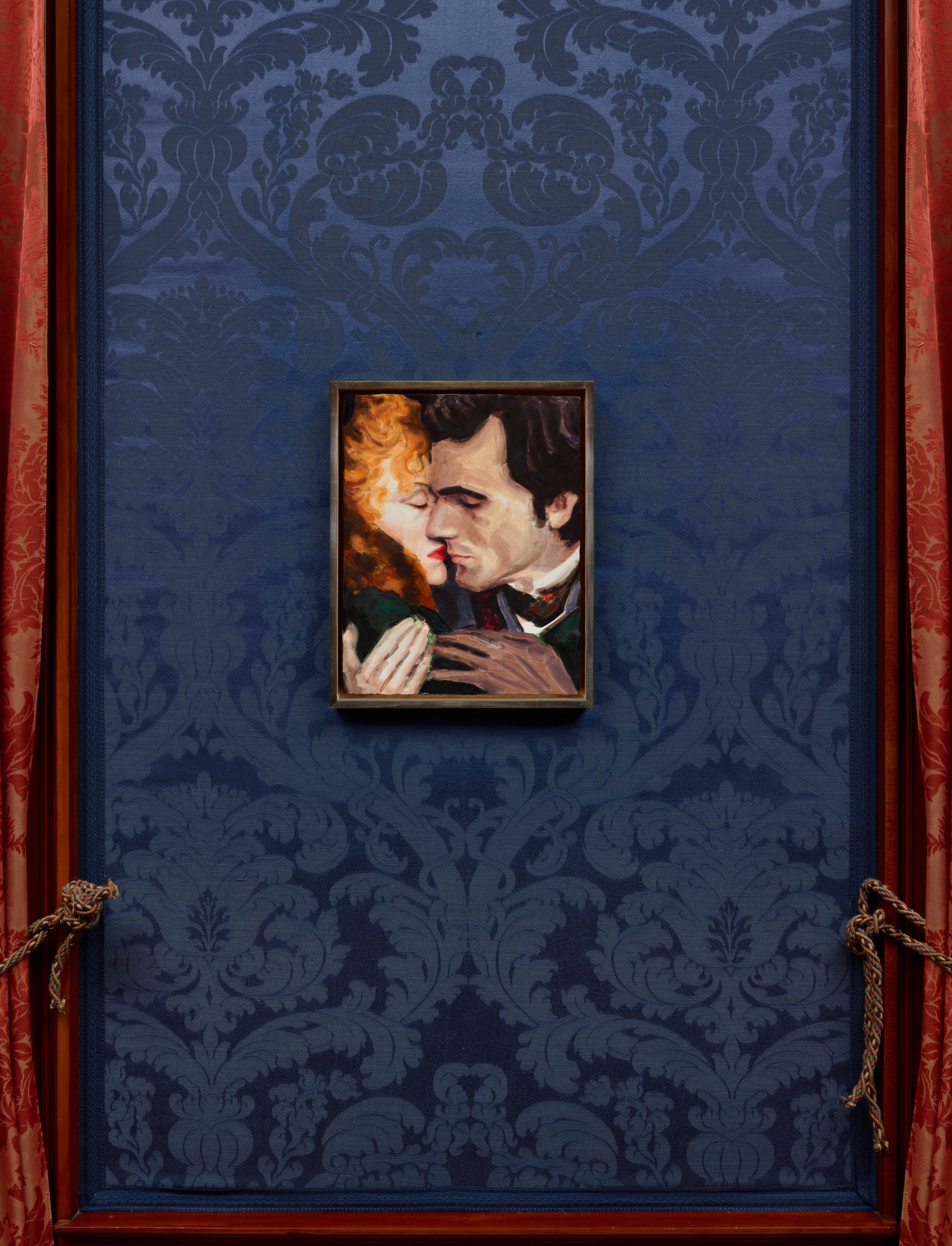
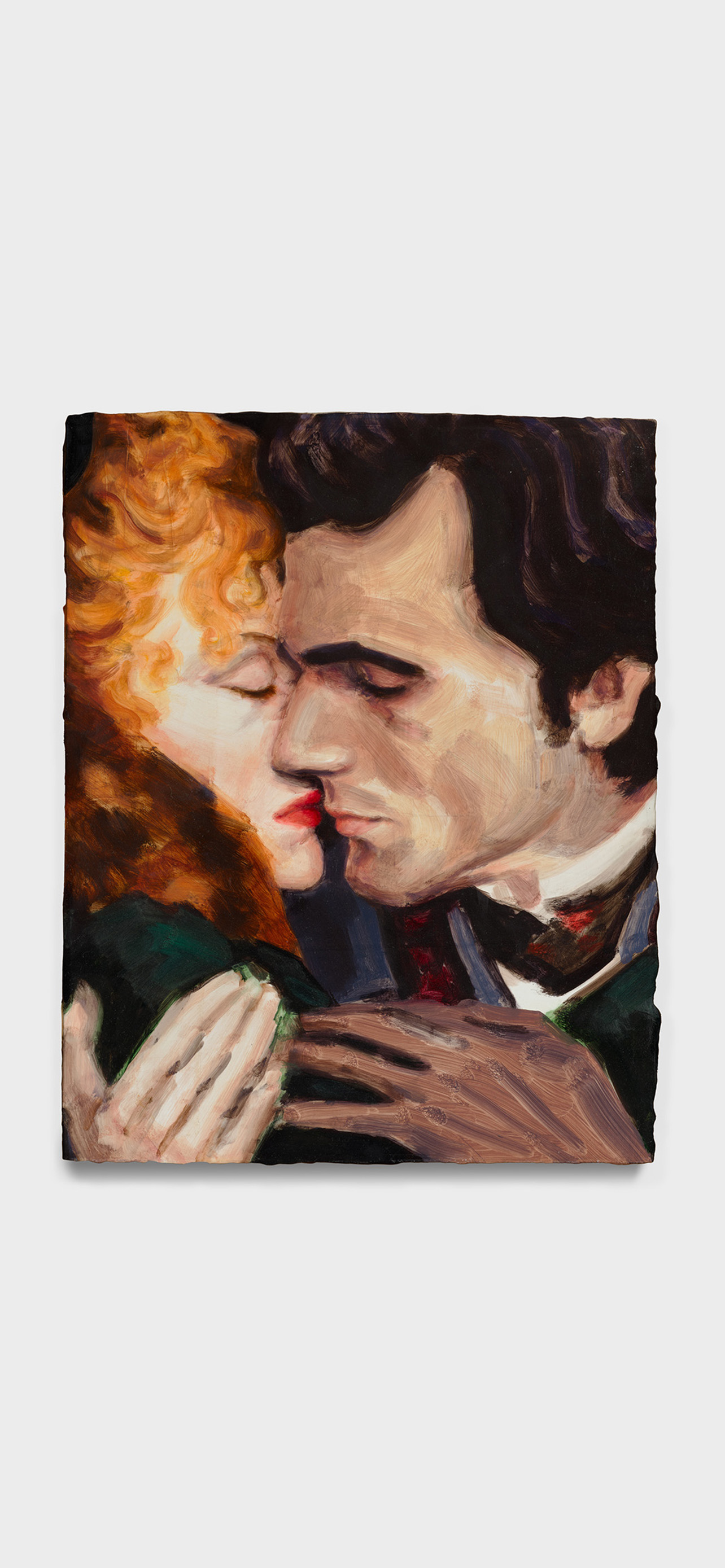
Taking its cue from Martin Scorsese’s 1993 film adaptation of Edith Wharton’s classic romance novel, Elizabeth Peyton’s charmingly intimate painting, The Age of Innocence, is a tour-de-force within the artist’s dazzling, gem-coloured oeuvre.
Set in turn-of-the-century New York, Wharton’s Gilded Age story centres upon the sensational and scandalous love-triangle between Newland Archer, his young bride May Welland, and her cousin Countess Ellen Olenska — played by Daniel Day-Lewis, Winona Ryder, and Michelle Pfeiffer respectively in Scorsese’s box office hit. Wharton’s story presents a detailed account of the American upper class during the 19th century. The characters struggle to navigate the changing social tides between “old” and “new” money, whilst vying for acceptance among their ranks through the latest fashion trends and prominent social gatherings. Yet, at the heart of the story lies the forbidden love between Newland and Ellen.
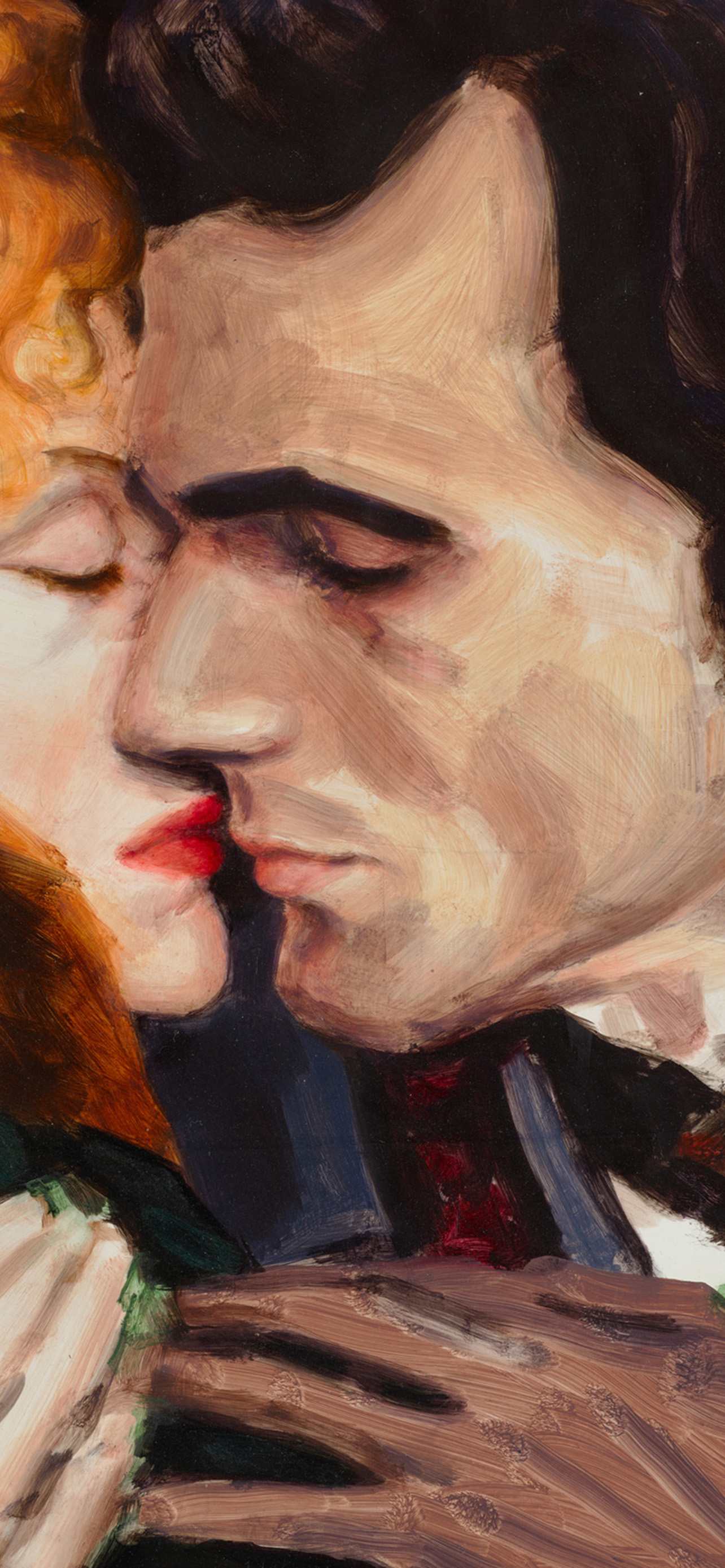
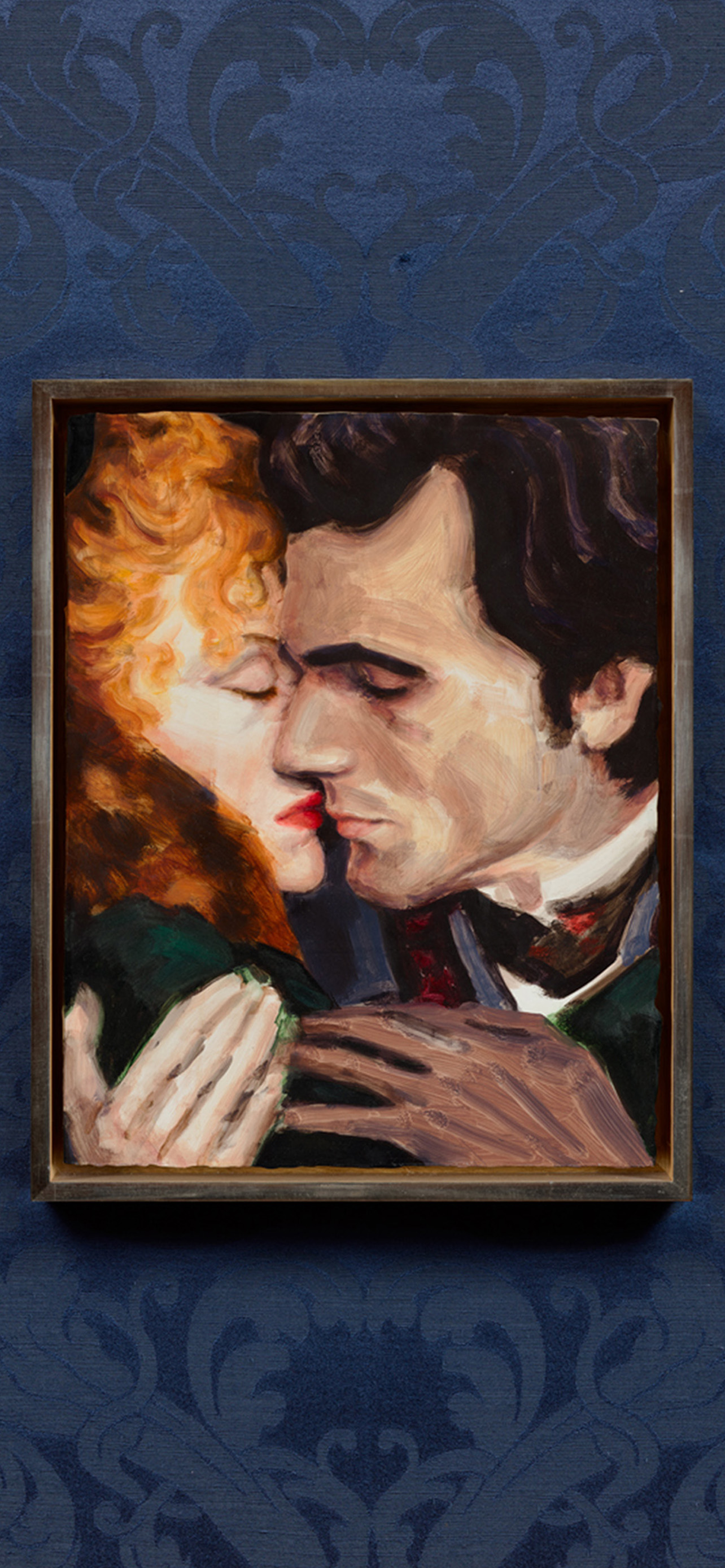
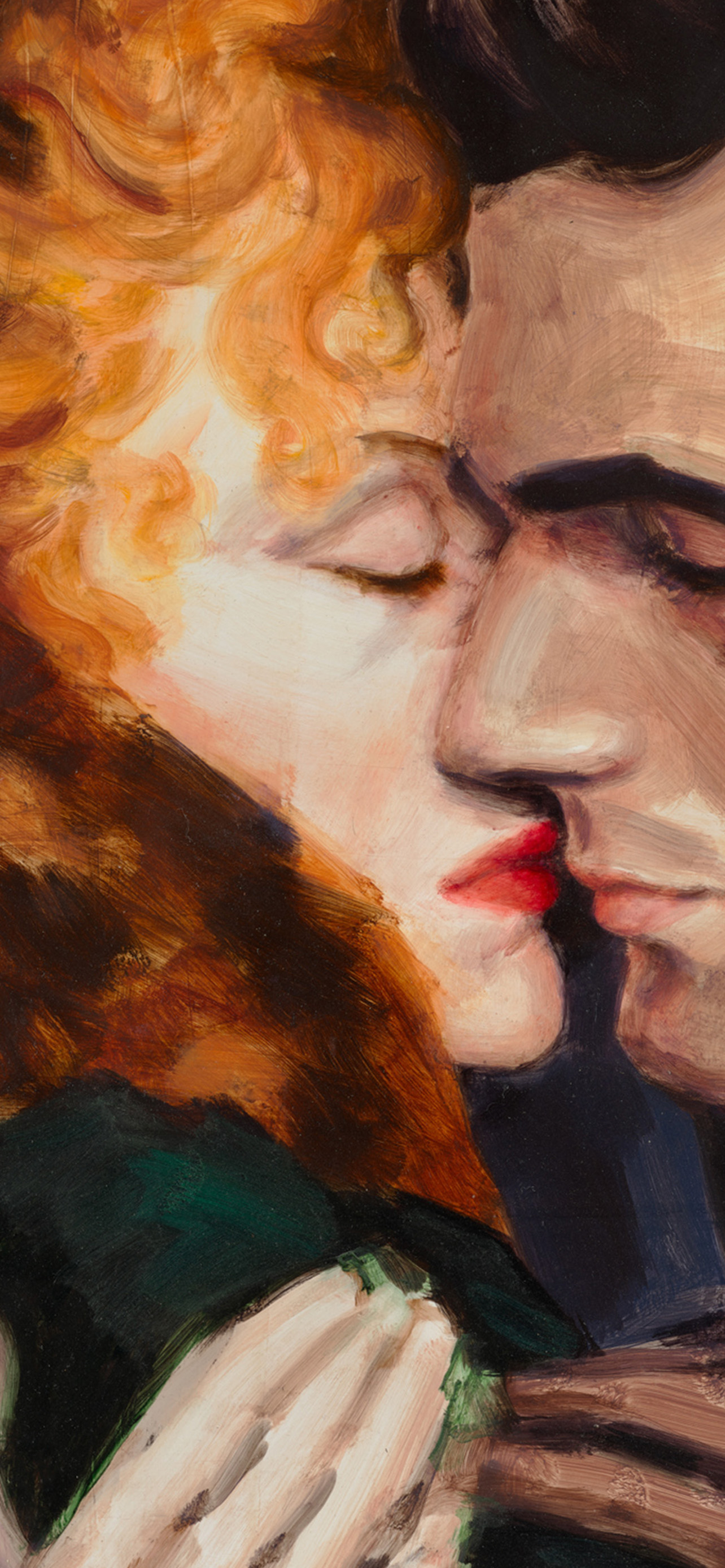
Realised in the artist’s signature scale, Peyton’s jewel-toned portrait captures an illicit moment of passion between Newland and Ellen, two of the early 20th century’s most infamous literary lovers. Yet, in true Peytonian fashion, The Age of Innocence is also a portrait of two of the most preeminent film actors of the late 20th century.
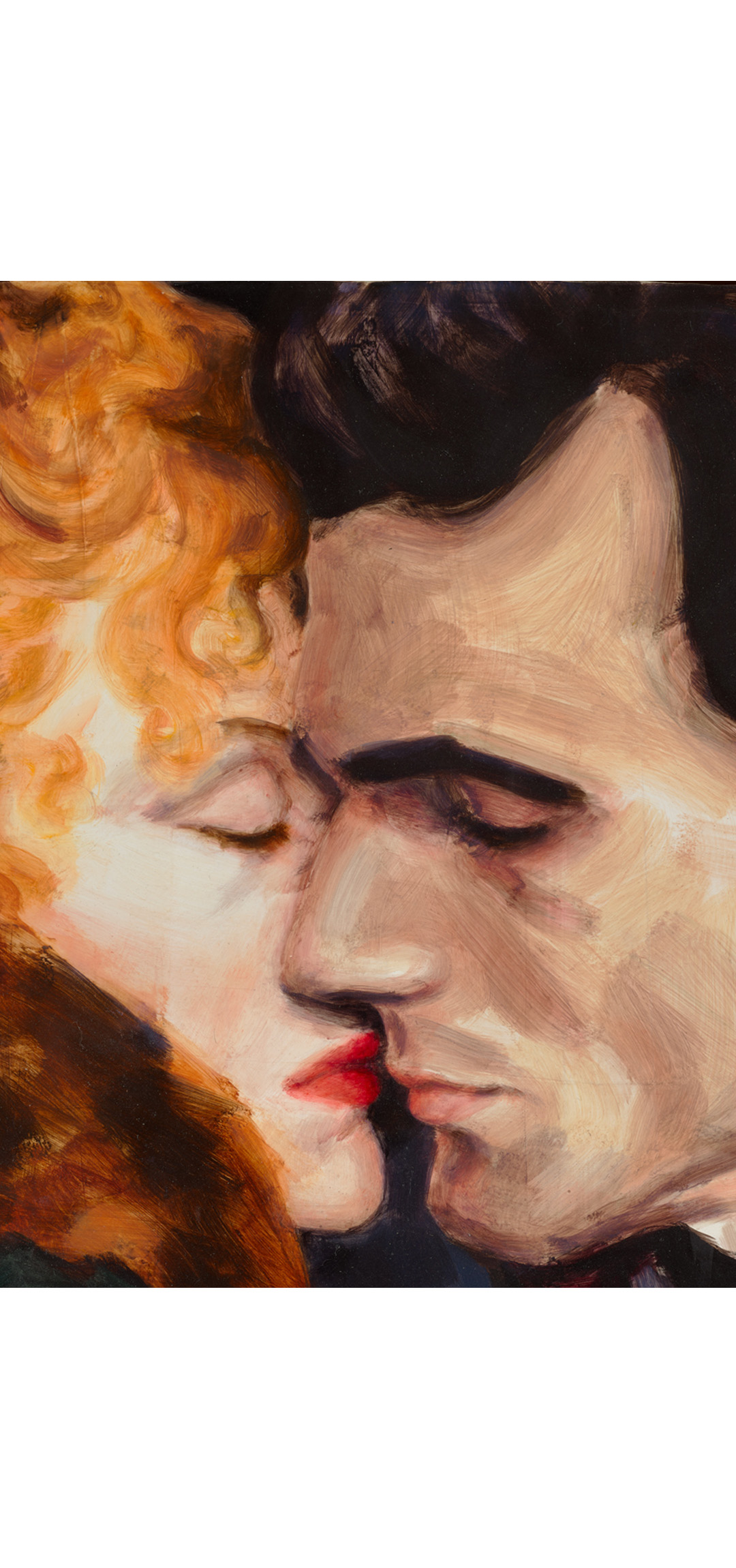
Pfeiffer’s strawberry-golden locks and flaming red lips set the canvas ablaze while Peyton’s signature brushwork simultaneously sculpt and abstract Day-Lewis’s chiselled visage, rendering the lovers in a frozen dreamlike state.
The painting, which was featured in the artist’s 2008 solo exhibition at the New Museum, Live Forever, invites its subjects to do just that. “That’s what it’s all about,” she told singer-songwriter Jarvis Cocker in 2008, “making art is making something live forever. Human beings especially — we can’t hold on to them in any way. Painting and art is a way of holding onto things and making things go on through time” (E. Peyton, quoted in J. Cocker, ‘Elizabeth Peyton’ in https://www.interviewmagazine.com/art/elizabeth-peyton/, [accessed 8 November 2023]).
Undoubtedly one of the most influential American artists of her generation, Peyton helped revitalise the genre of figurative painting in the late 1990s. Much of her early works capture the grace and beauty of the era’s most dominating public figures — from the British Royal family to rockstar royalty, Kurt Cobain and Sid Viscous.
The Age of Innocence is an apt title in summing up this portion of Peyton’s early artistic output, which centres around these vibrant, crayon-coloured youths set in moments of unadulterated bliss. Indeed, even Wharton famously borrowed the ironic title for her novel from a posthumously named portrait of a young girl by Sir Joshua Reynolds, which has been described as “the commercial face of childhood” for its depiction of natural poise and purity.
The irony continues within Peyton’s cast of famous 90s characters, as images of old money Royals and new money celebrities collide within her extensive visual rolodex of contemporary society. Yet, we know the real-life dramas of Peyton’s classic characters, and just as in Wharton’s novel, despite their candy-coloured innocent glows captured in moments of leisure, while all of them shine, many are not that innocent.